Mixy September: Autumn Color Fonts for Handmade Business
As a handmade business owner who’s shipped over 5,000 custom mugs, planner stickers, and seasonal gift tags since 2018, I opened Mixy September with one question: “Can this font actually *work* in my real workflow—not just look pretty in a preview?” The answer? Yes—but only if you know how to use it like a craft pro, not a design tourist.
First Impressions: Warm, Whimsical, and Unapologetically Autumn
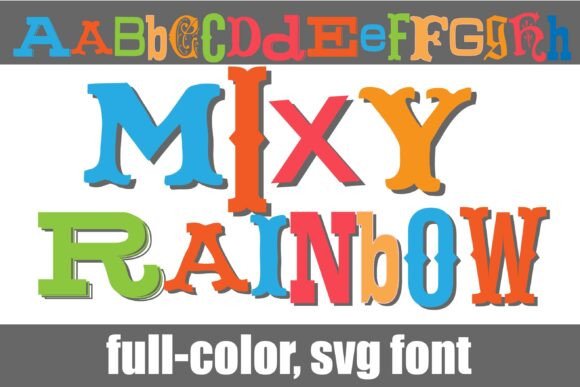
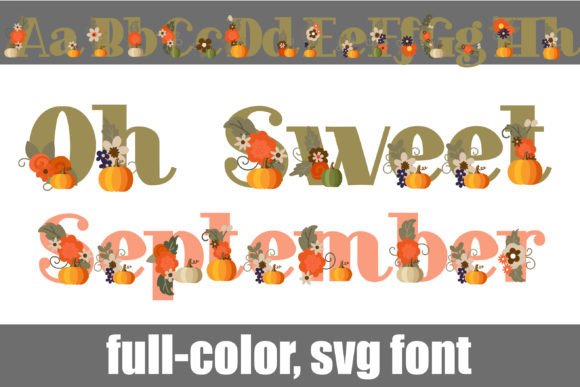
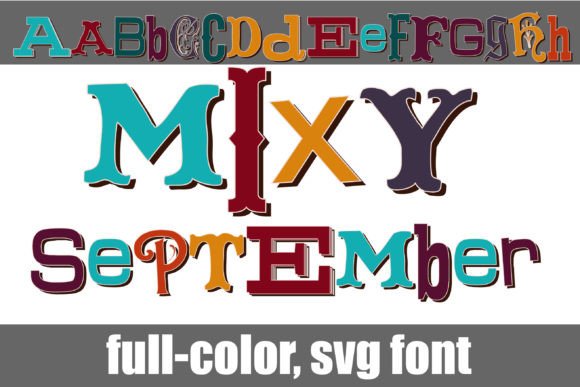
Mixy September hits like a crisp morning walk through maple-lined streets—cozy but intentional. It’s not overly rustic or aggressively folky; instead, it balances playful rounded letterforms with subtle serif touches and soft, layered color fills. Think burnt sienna, muted sage, warm ochre, and creamy ivory—all built right into the glyphs. It feels feminine without being fussy, festive without leaning into pumpkin spice clichés, and premium enough for Etsy customers scrolling past $30+ greeting card sets.
This isn’t a “just add text” font. It’s a graphic design asset—a ready-made visual element that carries mood, seasonality, and brand voice in every character. When I dropped it into a mockup for a set of linen tea towel labels, buyers instantly commented on the “hand-painted warmth.” That’s the power of intentional color fonts.
Where Mixy September Shines in Real Crafting
- Cricut & Silhouette projects: Use the SVG version for clean vinyl cutting on mugs, tumblers, and tote bags—especially when layering over kraft paper or cream canvas. The alt color variants (accessible via Character Map or Glyphs panel) let you swap tones without reformatting.
- Sticker design: Works beautifully at 2–4 inches tall on kiss-cut sticker sheets. The built-in shadows and color depth give dimension even on matte vinyl—no extra drop shadow needed.
- Printable design & digital products: Perfect for autumn-themed planner pages, printable wall art bundles, and instant-download gift tags. The full-color glyphs print crisply at 300 DPI and hold contrast well on both white and ivory cardstock.
- Sublimation design: Tested successfully on ceramic mugs and polyester tote bags—just confirm your printer profile preserves the RGB color integrity before batch printing.
- Small business branding: I used Mixy September for limited-edition “September Harvest” collection headers across my Etsy shop, packaging inserts, and Instagram story highlights. It unified the line visually while feeling hand-curated—not templated.
Where to Proceed With Craft-Savvy Caution
This isn’t a universal workhorse—and that’s okay. Mixy September needs thoughtful placement:
- Avoid tiny cuts: Don’t scale below 0.75" for Cricut vinyl—fine interior details (like the delicate leaf motif inside the lowercase ‘a’) can ghost or mis-cut on older machines.
- Watch contrast on dark substrates: The lighter alt colors (cream, pale sage) fade on black mugs or navy totes. Stick to the deeper tones—or pair with a bold outline SVG layer for readability.
- Don’t crowd it: In layered vinyl projects (e.g., multi-color tumbler wraps), the built-in color blending can get muddy if placed too close to other graphics. Give it breathing room—or simplify to one alt color per word.
- Test before bundling: If including Mixy September in a design bundle for fellow crafters, verify the commercial license explicitly permits resale in editable formats (SVG/PNG) and derivative digital products.
Practical Crafter Notes You’ll Actually Use
Here’s what I do before launching any product featuring Mixy September:
- I always open the SVG in Design Space and ungroup + inspect paths—no stray anchor points or overlapping shapes that cause cut errors.
- I preview the PNG with transparency enabled on both light and dark mockups. Does the color pop? Does the texture read as intentional—or accidental noise?
- I resize it across three key formats: 3" for mug decals, 1.5" for gift tag headers, and 6" for printable wall art—and adjust spacing manually each time. Auto-kerning rarely respects handmade rhythm.
- I pair it intentionally: with a clean sans-serif (like Montserrat) for pricing tags, a delicate script (like Adorn) for “hand-poured” accents, or a sturdy serif (like Playfair Display) for vintage-inspired collection names.
- I check licensing *twice*: once in the download folder, once in the creator’s shop policy. Not all color fonts include commercial rights for print-on-demand or customer-order fulfillment—Mixy September does, but never assume.
Why This Fits Your Handmade Business—Not Just Your Mood Board
Let’s be real: most crafters don’t buy fonts to “decorate.” We buy them to convert. Mixy September converts because it solves seasonal pain points—fast. No more scrambling to match hex codes across 12 SVG files. No more color-grading dozens of PNGs for consistency. It arrives pre-harmonized, autumn-optimized, and production-ready.
It’s helped me launch three Etsy collections in under two weeks—including coordinating sublimation designs, printable party favor tags, and Cricut-ready vinyl bundles—without outsourcing a single design hour. For craft fair prep? I dropped it into Canva templates for banner headers, price cards, and social posts—all pulling from the same palette. Customers noticed the cohesion. Repeat buyers mentioned it.
And yes—it’s a color font, but it’s also a time-saving system. The alt versions aren’t gimmicks. They’re strategic options: use the deeper tones for durability on merchandise, the lighter ones for delicate printable accents, and mix both for layered digital products that feel bespoke, not bulk-downloaded.
If you sell handmade goods rooted in seasonality, warmth, or quiet celebration—Mixy September isn’t just another font. It’s a small but meaningful upgrade to how your products communicate before a single word is read.